Understanding Water Sports Safety Equipment
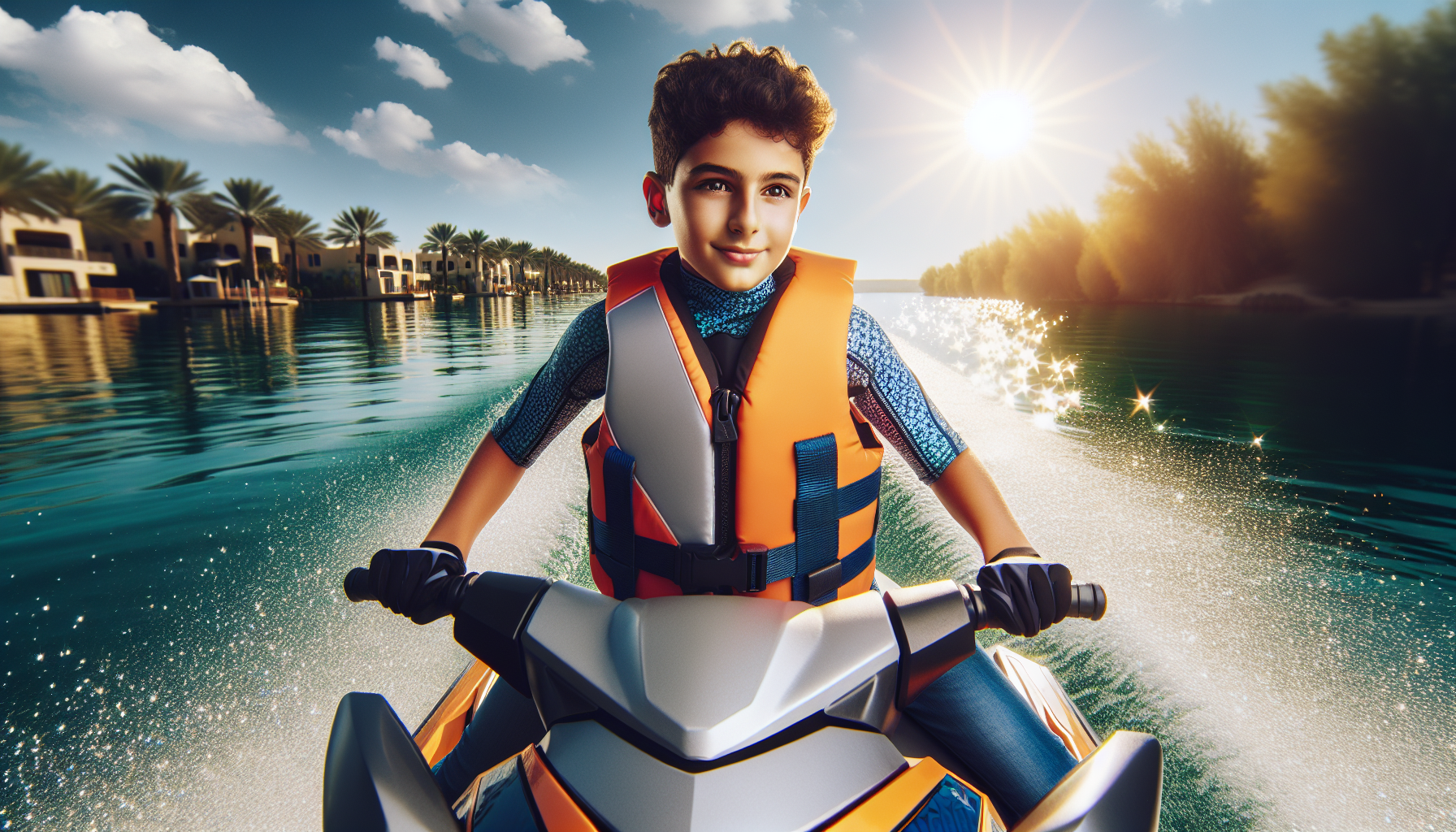
When engaging in water sports, having the right safety equipment is crucial for ensuring a safe experience. Essential gear includes life jackets, helmets, and communication devices, which are designed to protect riders and enhance their safety on the water.
For instance, a properly fitted life jacket is a legal requirement in many areas and can significantly reduce the risk of drowning. Additionally, using a waterproof communication device allows riders to call for help if they encounter trouble while out on the water, providing peace of mind for both the rider and their loved ones.
Common Hazards in Busy Waterways
Busy waterways present a unique set of hazards for jet skiers and other water sports enthusiasts. Understanding these dangers is essential for maintaining safety and preventing accidents.
Examples of common hazards include other watercraft, submerged obstacles, and changing weather conditions. Being aware of these risks and knowing how to navigate them can help riders make informed decisions and avoid dangerous situations while enjoying their time on the water.
Rules and Regulations for Jet Skiing
Familiarizing oneself with the rules and regulations governing jet skiing is vital for ensuring safety and compliance with local laws. These guidelines often vary by location and may include speed limits, designated riding areas, and age restrictions for riders.
For example, many states require a boating safety course for individuals under a certain age before they can operate a jet ski. Adhering to these regulations not only promotes safety but also helps protect the environment and other water users.
Best Practices for Safe Jet Skiing
Implementing best practices while jet skiing can significantly enhance safety for both riders and others on the water. Key practices include maintaining a safe distance from other vessels, being aware of one’s surroundings, and using hand signals for communication.
Additionally, it is advisable to ride with a buddy and to check weather conditions before heading out. By following these best practices, riders can minimize risks and ensure a more enjoyable experience on the water.